

On-Premise Application Development Introduction
Business Software Designed for Your Own Infrastructure
Applications Built Around Your Operations
On-premise application development is an approach in which business software is deployed and operated within an organization’s own infrastructure or a hosting environment managed under its control. It can suit organizations that need to work with internal systems, define their infrastructure arrangements or manage application access within a controlled environment.
Of2On helps businesses plan and develop custom applications around their processes, users and technical requirements. We begin by understanding how the organization works, which teams will use the software, what information needs to be managed and how the application may interact with existing systems.
Depending on the agreed scope, an application may include user and role management, dashboards, workflow automation, reporting, document handling, database integration, internal APIs and administration tools.
The deployment plan should consider the organization’s infrastructure, operating environment, network access, backup arrangements, security responsibilities and maintenance process. These requirements are reviewed with the customer before the technical approach is finalized.
From requirement analysis and application design to development, testing, deployment preparation and handover, Of2On focuses on software that supports the organization’s actual workflows.
Whether you are replacing spreadsheets, modernizing an internal tool or developing a new business application, Of2On can discuss your requirements and help define a practical development approach.
On-Premise Solutions for Business Operations
Applications Planned Around Your Teams, Processes and Infrastructure
Plan Around Your Operations
Every organization has processes specific to its operations. Generic software may not match how teams manage records, approvals, inventory, customer information or internal reporting. A custom on-premise application can be planned around these requirements and the organization’s chosen deployment environment.
Of2On starts by understanding the current process, identifying repetitive tasks and defining the information that needs to move between users and departments. This helps establish the application modules, user roles, workflow rules and reporting requirements.
Depending on the business, a solution may support customer and employee records, finance-related workflows, manufacturing operations, inventory, logistics, healthcare administration, point-of-sale operations or data analysis. Features are selected only after reviewing the actual use case.
The technical plan considers existing infrastructure, application environment, database, network access and integration requirements. Deployment responsibilities, backups, monitoring, updates and ongoing support should also be agreed before launch.
An on-premise solution still needs careful attention to usability, access control, data validation, testing and maintainability. The goal is to provide an application experience that fits the organization’s operational and infrastructure requirements.
On-Premise Application Solutions by Industry
Business applications for different operational environments.

Business Apps
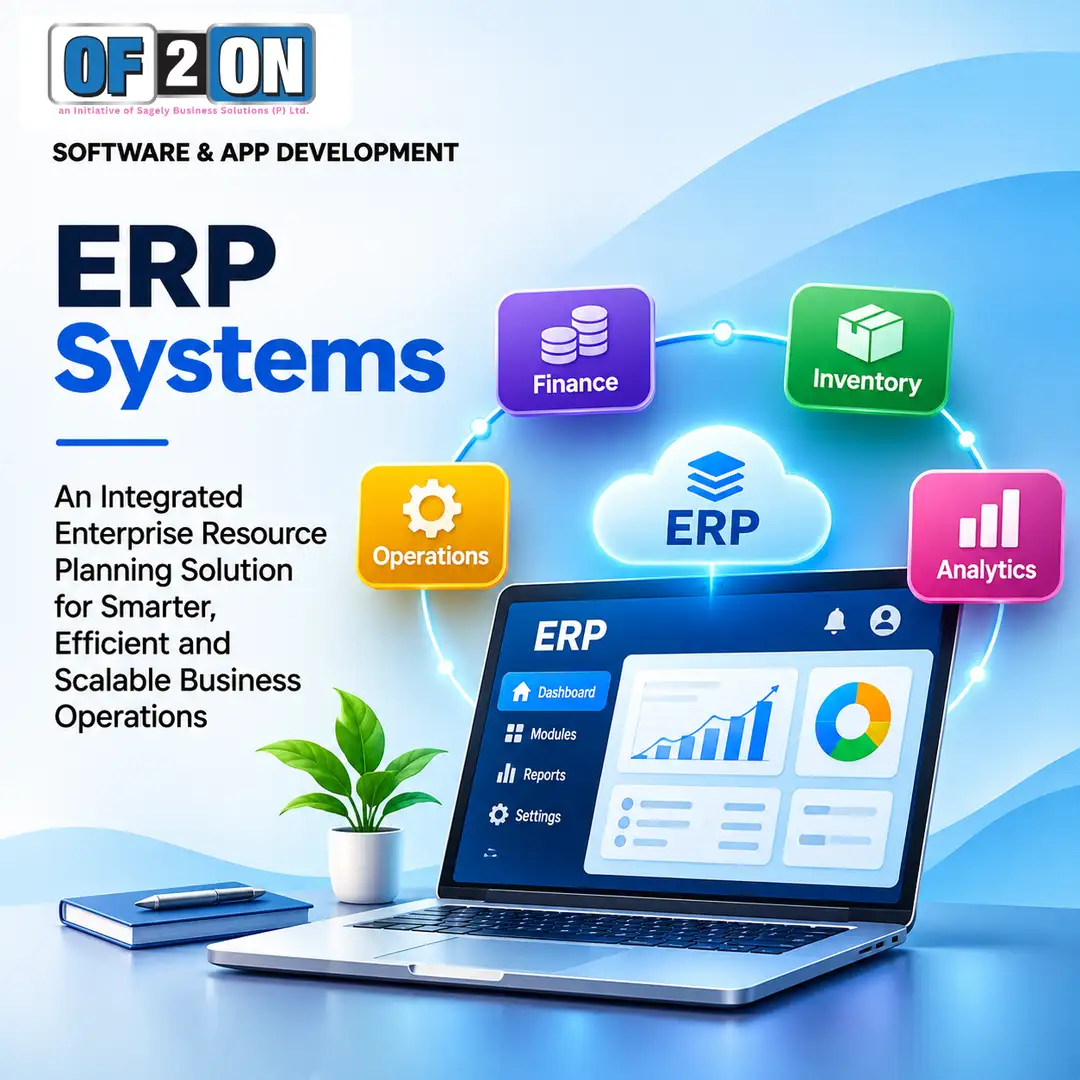
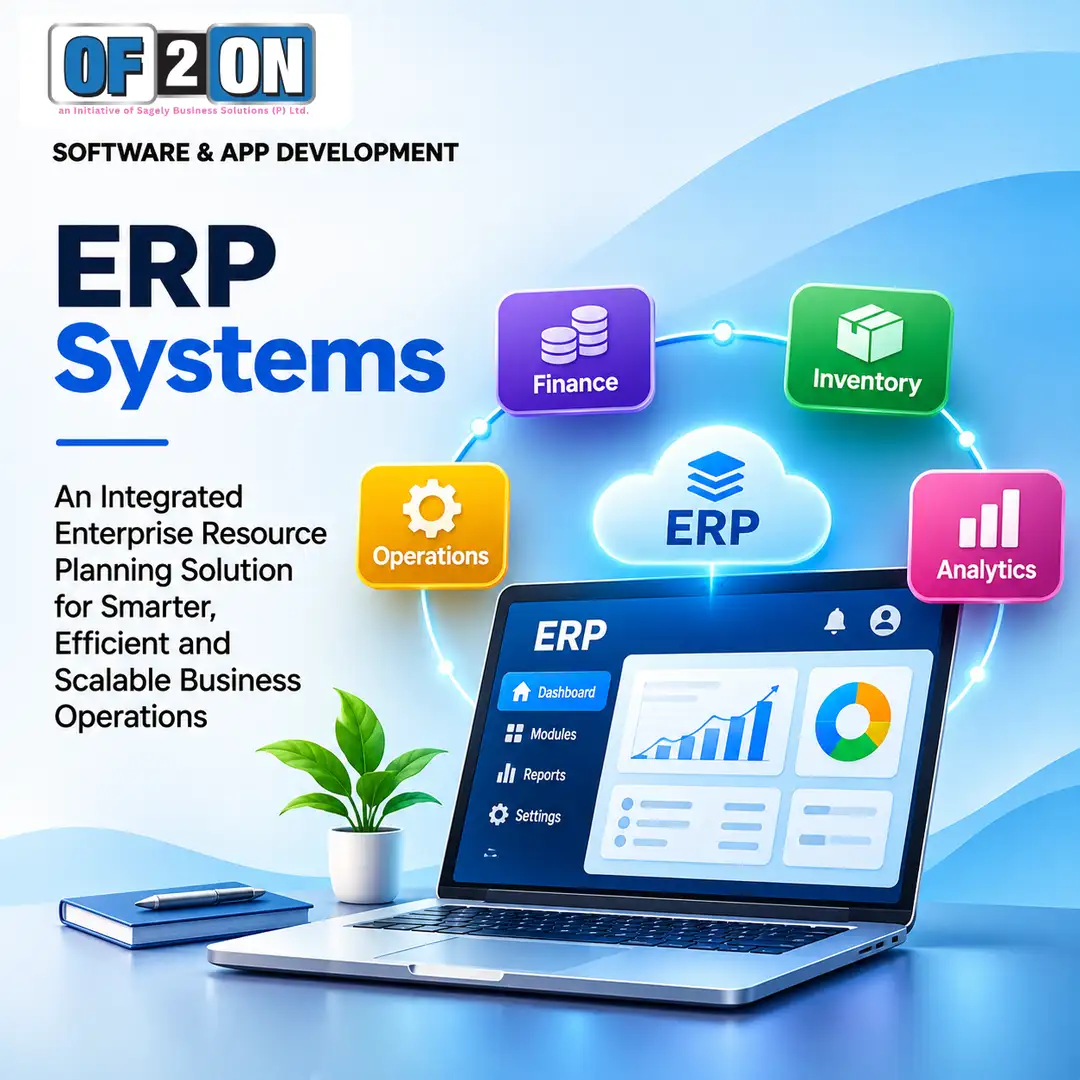
ERP Systems

CRM Software
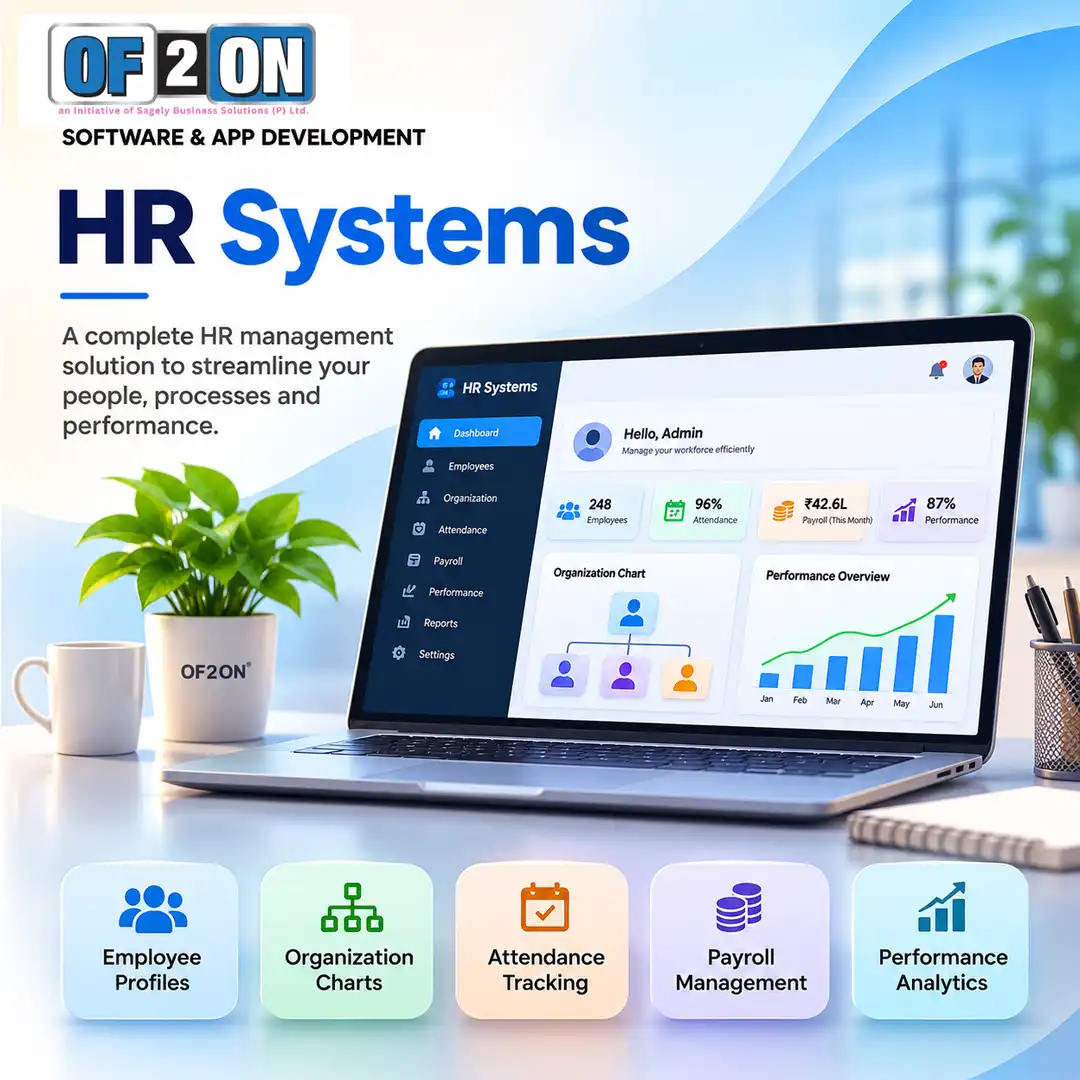
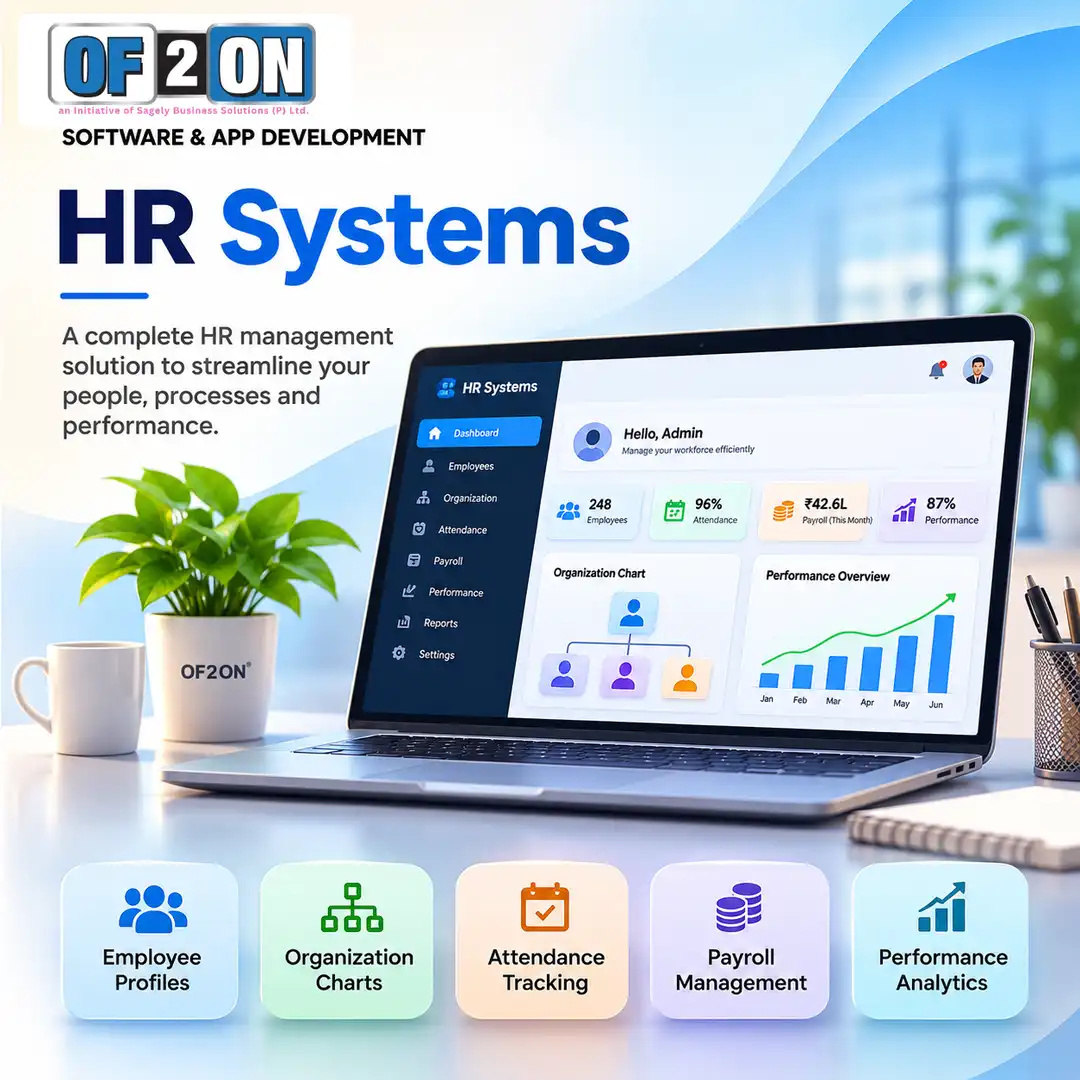
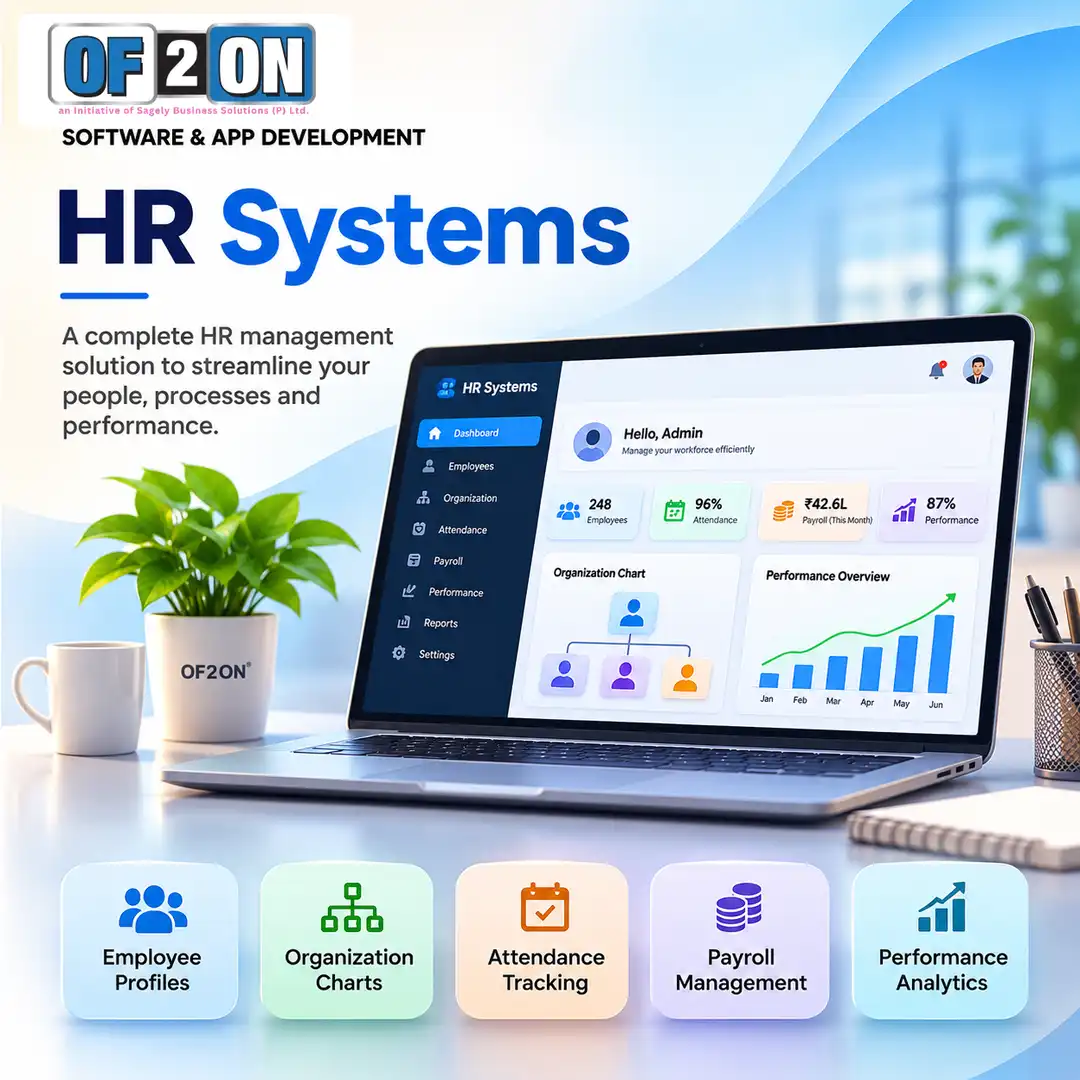
HR Systems
On-Premise Application Development Services
Explore the building blocks of a business application.
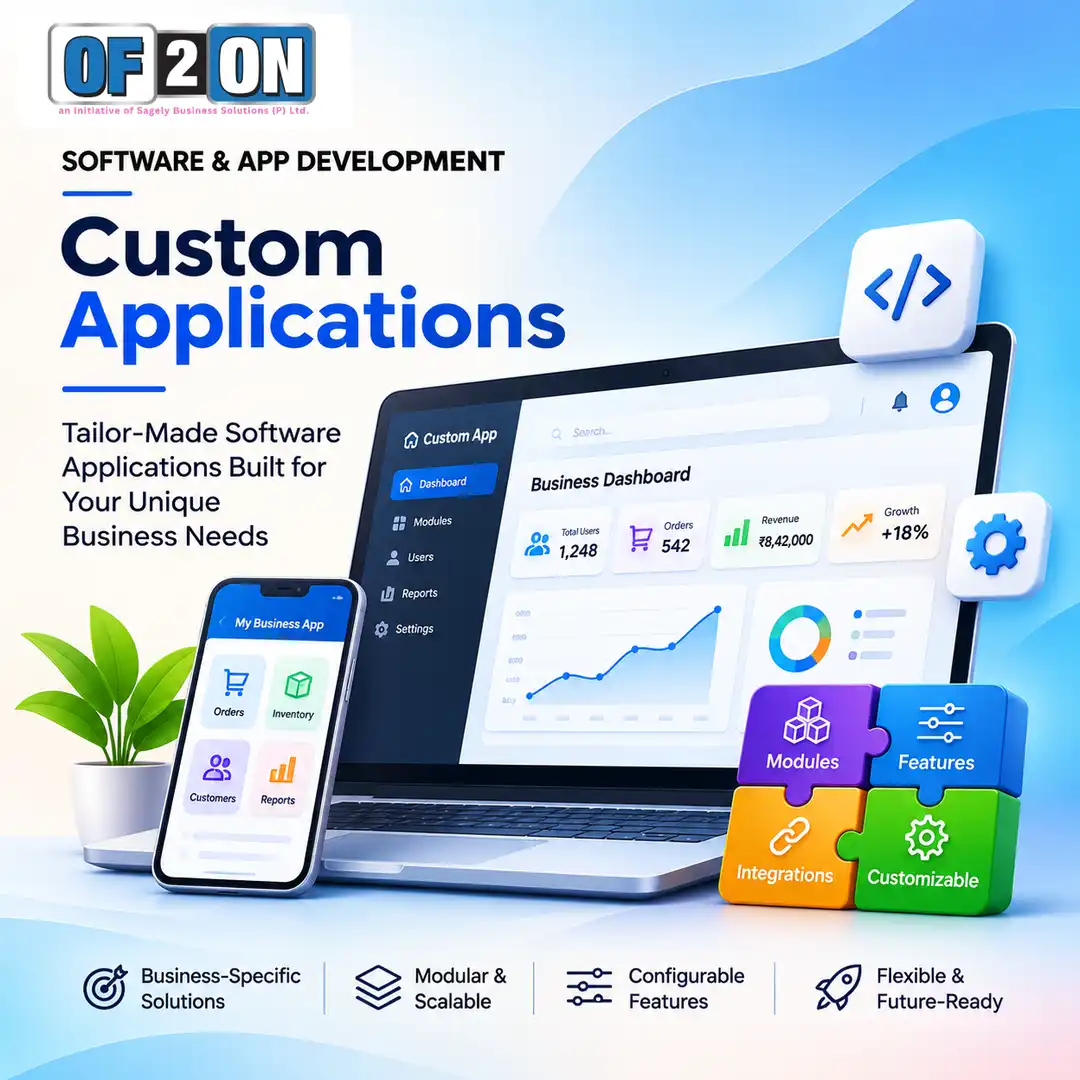


Key Features of On-Premise Applications
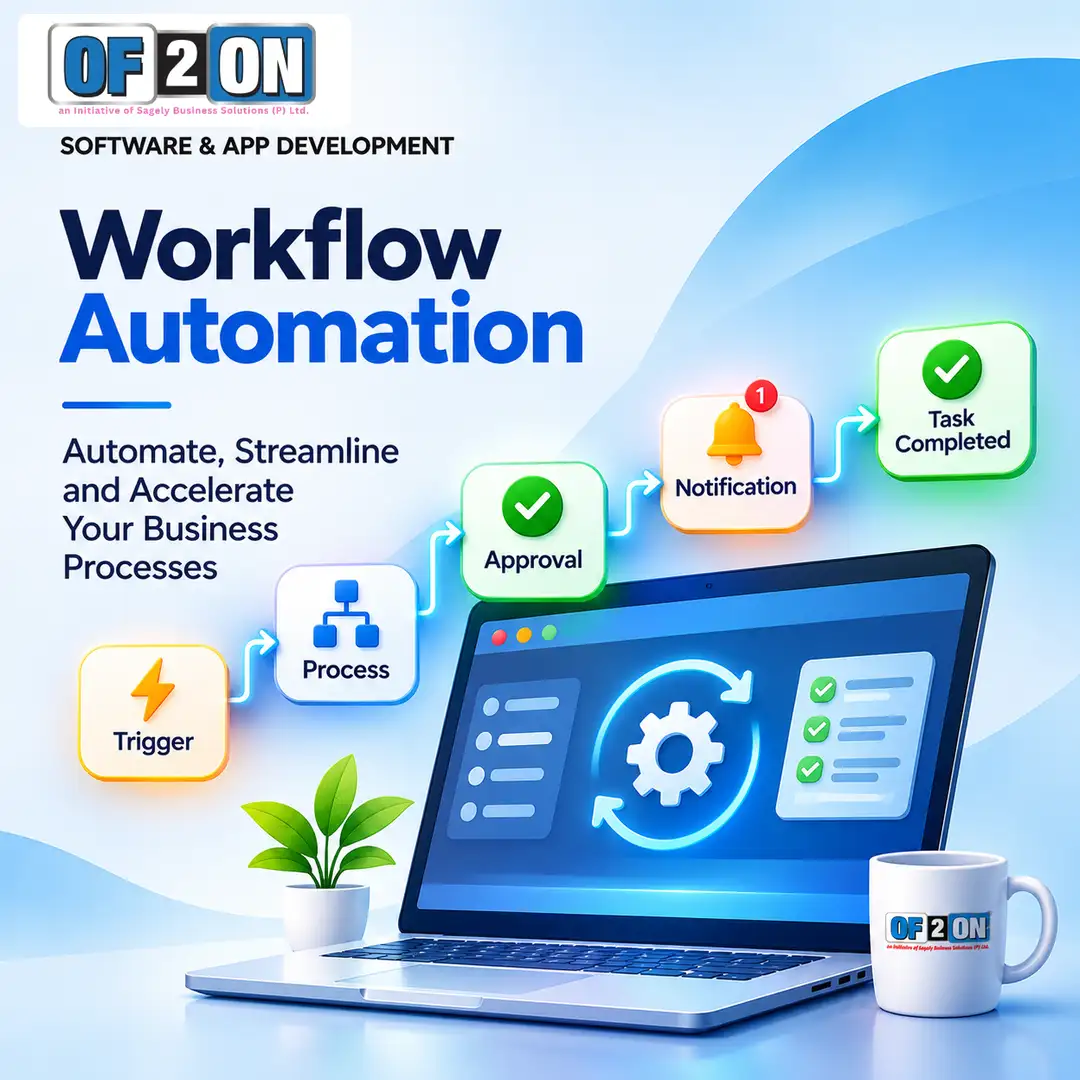
Plan application workflows around organizational processes, including task assignment, approvals, status updates and record handling where required.
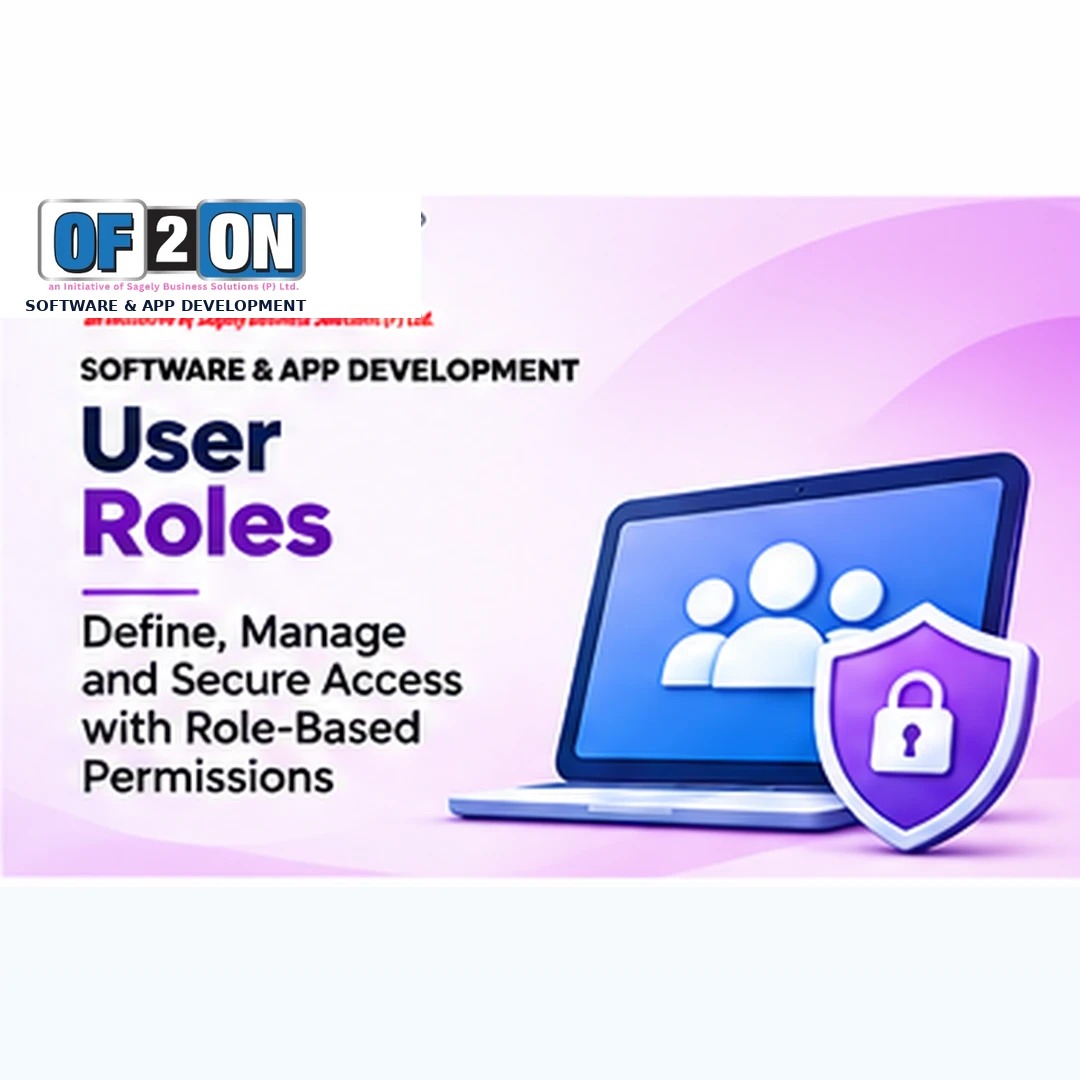
Organize application access through suitable user roles and permissions based on responsibilities defined by the organization.
Structure business information consistently so authorized users can access and maintain records relevant to their work.
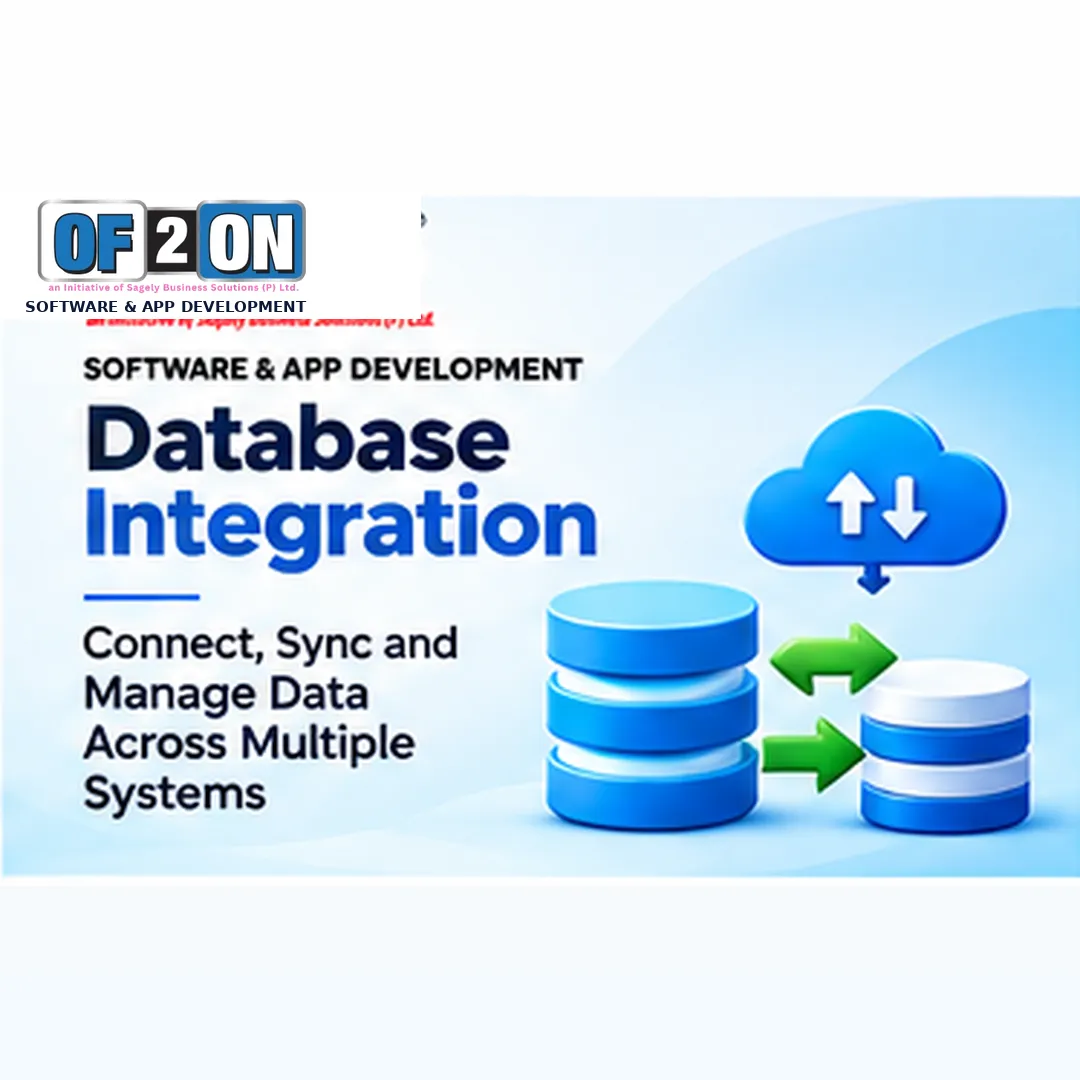
Plan database connections and data flows according to the selected database environment, application architecture and access requirements.
Present useful operational information through dashboards, summaries and reports based on data available to the application.
Assess whether information needs to move between the application and existing business systems through supported APIs, imports or other approved methods.
Support agreed document upload, organization, access and retrieval workflows with appropriate validation and storage rules.
Consider how users reach the application, including internal network access, remote access requirements and infrastructure policies.
Define backup ownership, frequency, retention and recovery responsibilities with the organization and its infrastructure team.
Consider authentication, authorization, input validation, secure configuration, dependency updates and suitable handling of business information.
Validate application workflows, user permissions, integrations and deployment configuration before release.
Plan how the application will be updated, monitored and enhanced as business requirements change.
On-Premise Application Development Services We Provide
From business analysis to deployment and application support.



Why Choose Of2On for On-Premise Application Development
Requirements First
We begin by understanding business processes, users, information needs and technical constraints before defining project scope.
✓
Business Focus
Application modules and workflows are planned around the organization’s agreed operational requirements.
Strategy First
Environment Aware
We review the target environment and infrastructure responsibilities with the organization before finalizing a deployment approach.
</>
Structured Work
The project can move through discovery, planning, implementation, validation and handover according to the agreed scope.
🖍️
Aa
🖼️
Integration Planning
Existing systems and data exchange needs are assessed before supported integration methods are selected.
HTML
CSS
JS
✓
Validation
Important workflows, permissions, data rules and agreed integrations are considered during testing and release preparation.
✓
Maintainability
We consider documentation, support responsibilities and future changes as part of application planning.
Strategy First
On-Premise Application Development Highlights
Core activities across your application project.
Build
Innovate
Grow
Innovate
Grow
Access Controls
Deployment
Handover
Our On-Premise Application Development Process
A considered path from business requirements to handover.

Discover Needs
Understand the business problem, current processes, user groups, information needs, existing systems and infrastructure constraints. Agree on objectives and scope.
Discover Needs
Understand the business problem, current processes, user groups, information needs, existing systems and infrastructure constraints. Agree on objectives and scope.

Plan Architecture
Define application modules, workflows, data structures, user roles, integrations and deployment considerations based on approved requirements.
Plan Architecture
Define application modules, workflows, data structures, user roles, integrations and deployment considerations based on approved requirements.

Design Workflows
Plan dashboards, navigation, forms, task flows, approvals and reports so users can complete relevant work clearly.
Design Workflows
Plan dashboards, navigation, forms, task flows, approvals and reports so users can complete relevant work clearly.

Develop Application
Implement agreed modules, business rules, database connections, authentication, administration features and supported integrations.
Develop Application
Implement agreed modules, business rules, database connections, authentication, administration features and supported integrations.
On-Premise Application Development Overview
Understand the architecture, deployment and operational considerations.
On-premise application development involves building software deployed and operated within an organization’s own infrastructure or a hosting environment managed under its control. Organizations may consider this approach because of infrastructure policies, existing internal systems, operational requirements or preferences around application hosting and administration.
The first step is understanding the business problem. An application should reflect the work users need to perform, the information they need to access and the decisions the software should support. Requirement discovery helps identify user groups, modules, workflows, data entities, reports and external systems.
The deployment model is an important planning consideration. An organization may operate physical servers, virtual machines or a private hosting environment. The selected environment affects application configuration, runtime requirements, database setup, network access, storage, backup arrangements and ongoing maintenance responsibilities.
Application architecture should reflect expected usage and operational needs. It may include a user interface, backend services, database, authentication and authorization components, reporting modules and integrations. Planning should also consider how the application will be updated and supported over time.
Database design is central to many business applications. Information such as customers, employees, products, inventory, transactions, documents and workflow records should be structured according to requirements. Data access should be controlled, and validation rules should help maintain consistency.
User and role management helps define what different people can view or change. Administrators, managers and operational users may need different permissions. The role model should follow organizational responsibilities and access policies rather than giving every user unrestricted access.
Workflow automation can help coordinate tasks and approvals. Depending on requirements, an application may support request submission, review, approval, assignment, status updates and notifications. These workflows should be documented and tested with representative users.
Dashboards and reporting features can make operational information easier to review. Reports should be based on application data and clearly communicate their filters, date ranges and definitions. Access to sensitive reports should follow the organization’s permission rules.
Integration with existing systems may be needed to reduce duplicate data entry or support information exchange. Possible methods include approved APIs, scheduled imports or exports and other supported interfaces. Each integration should be assessed for authentication, data mapping, error handling, availability and ownership.
On-premise deployment requires coordination with infrastructure and IT teams. Responsibilities may include server provisioning, operating system configuration, network rules, domain and certificate setup, database administration, storage, monitoring and access management. These responsibilities should be agreed before deployment.
Security should be considered throughout the application lifecycle. Relevant practices may include secure authentication, role-based authorization, input validation, safe credential handling, encrypted communication where appropriate, dependency updates, audit logging and controlled administrative access. Specific controls depend on the application’s risk profile and organizational policies.
Backup and recovery planning are also important. The organization should define what data is backed up, how frequently backups are taken, how long they are retained, who is responsible and how restoration is tested. A backup plan is not a guarantee of uninterrupted service.
Testing should cover application functionality and the target environment. This may include module testing, user permission checks, data validation, integration testing, performance checks appropriate to expected workload and deployment verification. Acceptance criteria should be agreed with the organization.
Deployment planning should consider configuration, data migration where applicable, release sequencing, rollback options and communication with users. A controlled release can help prepare users and operational teams for the new application.
After deployment, an application may need monitoring, updates, bug fixes, compatibility improvements and feature enhancements. The organization and development provider should agree on support responsibilities, access arrangements, maintenance windows and escalation procedures.
On-premise deployment does not automatically make an application more secure, compliant, reliable or cost-effective than a cloud-hosted application. Outcomes depend on architecture, configuration, infrastructure management, access policies, monitoring and operational practices.
Of2On approaches this work by first understanding organizational processes and the technical environment. Depending on agreed scope, services may include business analysis, custom application development, database design, workflow implementation, integration planning, testing, deployment preparation, documentation and maintenance discussions.
The objective is to develop a business application that supports organizational workflows and fits agreed infrastructure and operational requirements.
On-Premise Application Project Checklist
Important areas to confirm before development and deployment.
Business Objectives
Current Systems
User Groups
Required Workflows
Data Requirements
Report Needs
API Integrations
Target Environment
Runtime Requirements
Network Access
Domain Setup
Access Controls
Backup Duties
Data Migration
Testing Criteria
Deployment Plan
Documentation
Maintenance Lead
Future Enhancements
On-Premise Application Development Consultation
Discuss your business workflows and deployment environment with Of2On.


Plan and Modernize Your Business Applications
Explore application development and modernization for your organization.